Poverty and natural disasters are intertwined. Both, however, can be addressed together through the community-driven development (CDD) approach to disaster preparedness, as we have learned in the Philippines.
CDD aims to empower local communities with the ability to self-govern, analyze their situation, and conceptualize and prioritize projects based on their needs such as school buildings, health stations, access roads, water supply systems, post-harvesting facilities and footbridges. Residents are the prime driver for implementing and maintaining these community structures.
Disasters shock the financial, health, and mental status of those affected through loss of human lives, livelihoods, capital and assets, or a rise in the price of staple foods. Disasters often affect large numbers of households at the same time, thereby diminishing their access to informal networks as a coping mechanism – in particular support from family members, friends and neighbors. Survivors then naturally expect the government to respond to their immediate needs.
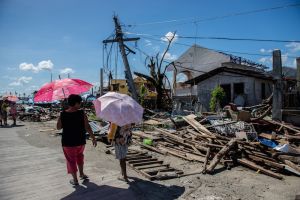
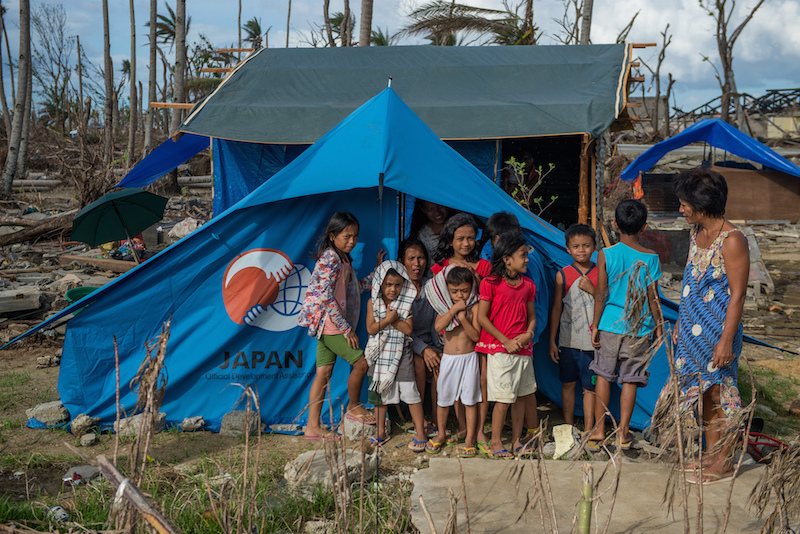
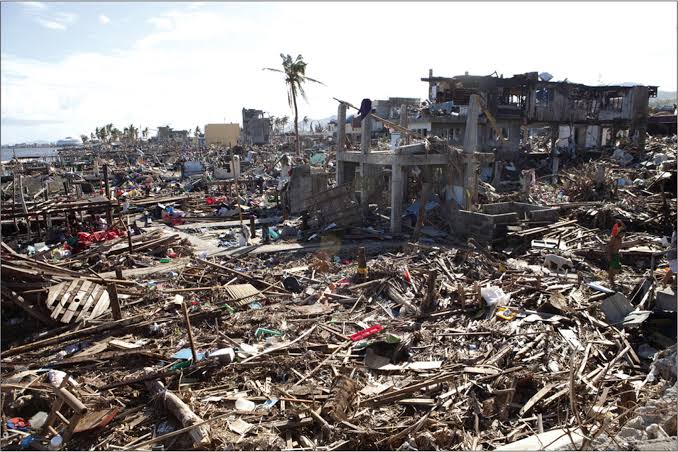
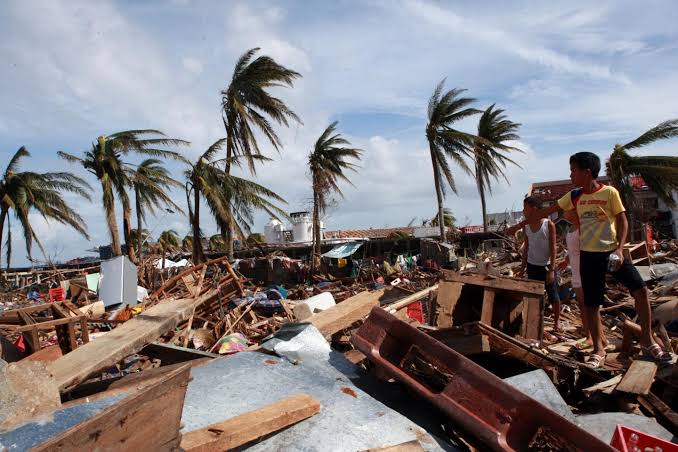
The Philippines is one of Asia’s most disaster-prone countries, and each year it gets battered by around 20 typhoons. In November 2013, Typhoon Haiyan, one of the strongest ever recorded, hit some of the poorest provinces in the central Philippines, resulting in over 6,000 deaths and 16 million people losing their homes, their livelihood, or both. Haiyan’s devastating impacts were not only economic and physical, but also mental and emotional. Many typhoon victims felt disempowered, helpless, and hopeless.
The public social support system in the typhoon-affected provinces, Department of Social Welfare and Development (DSWD)
In the wake of Haiyan, ADB approved a $372.1 million emergency assistance loan to help the government implement the KALAHI-CIDSS National Community-Driven Development Project.
credits : Yukiko Ito

 acebuprinceharry